Moszna Castle: The Story Behind Opole Region’s Most Unusual Palace
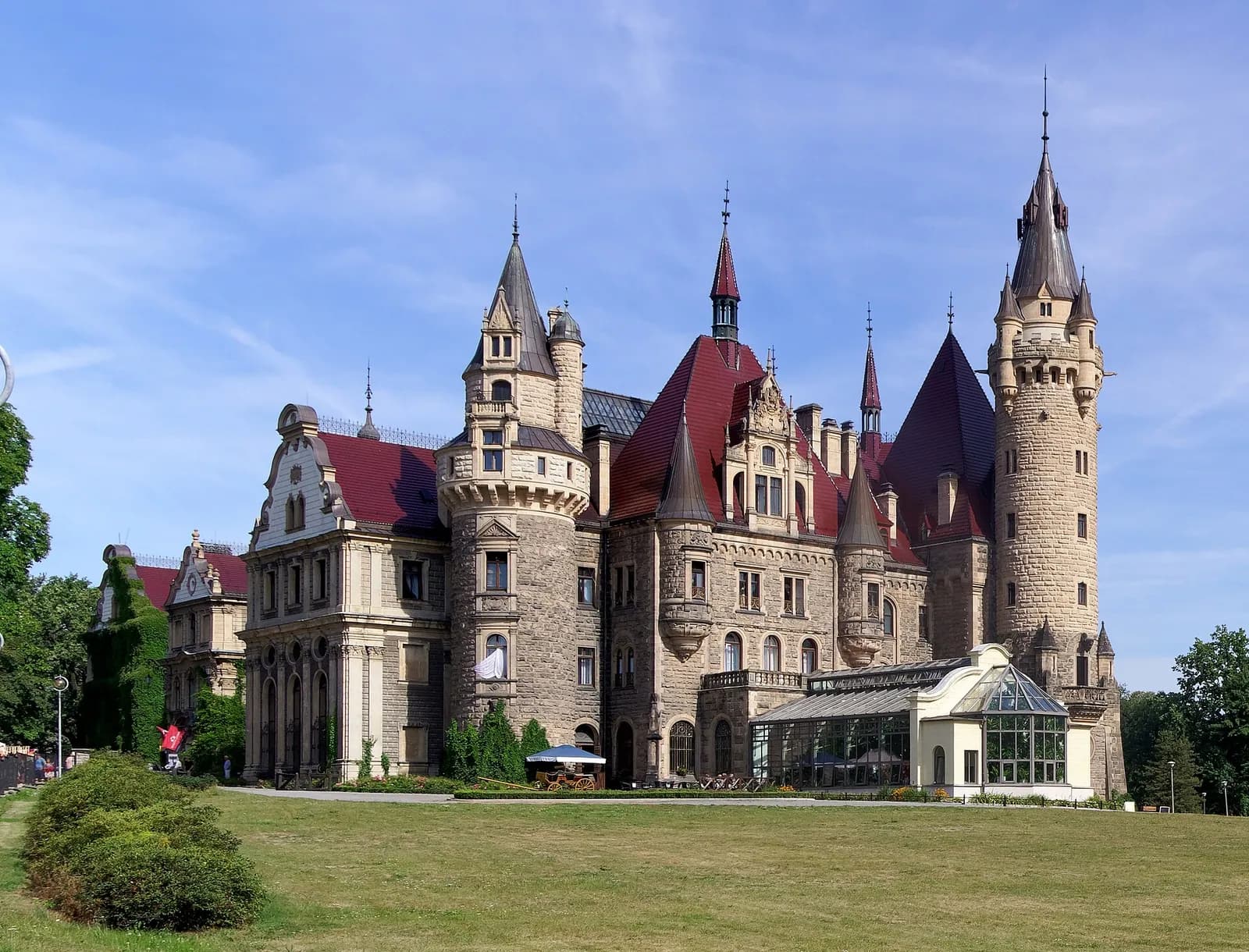
Few buildings in the Opole region have a silhouette quite like Moszna Castle. With its towers, turrets, ornate façades and surrounding parkland, the palace has become one of the most recognisable landmarks in Opole Voivodeship.
Located in the village of Moszna, around 40 kilometres from Opole, the castle attracts visitors throughout the year. Spring brings the flowering azaleas and the long-running Musical Festival of Blooming Azaleas, while the palace and its grounds offer plenty to explore in every season.
Behind the theatrical appearance, however, is a story rooted in the history of Silesian industry, aristocratic families and the dramatic changes that swept through the region in the 20th century.
A palace shaped by the Tiele-Wincklers
The history of Moszna reaches further back than the building seen today, but much of the castle's present appearance dates from the late 19th century.
The Moszna estate was acquired by the von Tiele-Winckler family in 1866. The family belonged to the wealthy industrial elite of Silesia, and Moszna became their principal residence.
A fire in 1896 changed the appearance of the estate dramatically. Parts of the existing Baroque palace were destroyed, after which Franz Hubert von Tiele-Winckler commissioned an ambitious rebuilding programme.
The result was an elaborate residence combining different architectural influences. A Neo-Gothic wing was added, followed by a Neo-Renaissance wing in the early 20th century. Rather than following one architectural style, the palace developed into the eclectic composition visitors see today.
This is also the origin of the castle's famous collection of towers and turrets.
99 towers and 365 rooms
Moszna is traditionally described as having 99 towers and turrets and 365 rooms, figures that have become closely associated with the palace.
The building occupies around 8,000 square metres and is surrounded by historic parkland. Its unusual proportions, repeated architectural details and numerous towers give it a distinctive appearance from almost every angle.
The castle's visual appeal has also made it one of the most photographed historic residences in the region. VisitOpolskie includes Moszna on its castles and palaces photography route, highlighting the different perspectives created by its towers, façades and surrounding landscape.
There are plenty of stories attached to Moszna, including legends connecting the estate with the Knights Templar. These remain legends rather than established historical facts, and the documented history of the palace is already substantial without them.
Inside Moszna Castle
The interior offers a different perspective from the imposing exterior.
Visitors can explore historic rooms including the former mirror room, vestibule, library, gallery, Count's room, Golden Suite and chapel. Guided tours and self-guided options are available, while information boards and audio material provide additional background on the building and the Tiele-Winckler family.
Tower tours offer another way to see the complex, with elevated views over the palace grounds and surrounding countryside.
The current visitor offer also includes themed experiences and outdoor games, making it possible to approach the castle as a traditional heritage attraction or as a more interactive day out.
The park and its spring colours
The castle's grounds are an important part of the experience.
The historic park covers around 10 hectares and includes mature trees, avenues, water features and extensive plantings. It is particularly well known for its azaleas and rhododendrons.
The gardens become especially colourful in late spring, when flowering plants provide a striking contrast with the castle's pale façades and dark roofs.
This seasonal display is closely linked with one of Moszna's longest-running cultural traditions.
Music among the azaleas
The Musical Festival of Blooming Azaleas has been held at Moszna since 1984.
The festival was founded by Polish musicologist Zdzisław Pawlicki, with an emphasis on Polish artists, composers and talented musicians from the Opole region. Concerts take place at the castle during the flowering season, bringing music into the palace and its gardens.
The festival has become a regular fixture in the cultural calendar of Opole Voivodeship and is one of the reasons that spring is such a popular time to visit Moszna.
The castle also hosts other cultural and public events during the year, while its grounds are used for exhibitions, gatherings and seasonal activities.
What happened after the war?
The Tiele-Winckler family remained associated with Moszna until the end of the Second World War.
After 1945, the palace's role changed considerably. Like many aristocratic residences in Silesia, it entered a very different chapter as the political and social landscape of the region was transformed.
The property was subsequently used for institutional purposes before eventually becoming a public tourist attraction.
Today, Moszna's history is presented alongside its architectural and cultural attractions, allowing visitors to see the building not simply as an impressive palace but as part of the wider history of Silesia and the Opole region.
Getting to Moszna
Moszna is around 40 kilometres from Opole by road, making it a straightforward excursion from the regional capital.
The castle is also accessible by bicycle. A cycling route from Prudnik leads towards Moszna, including a section along the historic Lipowa Avenue before continuing through the surrounding countryside.
For anyone planning a visit, it is worth allowing several hours rather than treating the castle as a quick photo stop. The palace interiors, towers and park each offer a different experience.
A distinctive part of the Opole landscape
Moszna Castle has become one of the defining images of Opole Voivodeship, but its appeal comes from more than its unusual appearance.
The palace records the wealth of Silesia's industrial age, the ambitions of the Tiele-Winckler family, the architectural fashions of the late 19th and early 20th centuries and the upheavals that followed the Second World War. Its park and cultural programme have given the estate a new role in contemporary regional life.
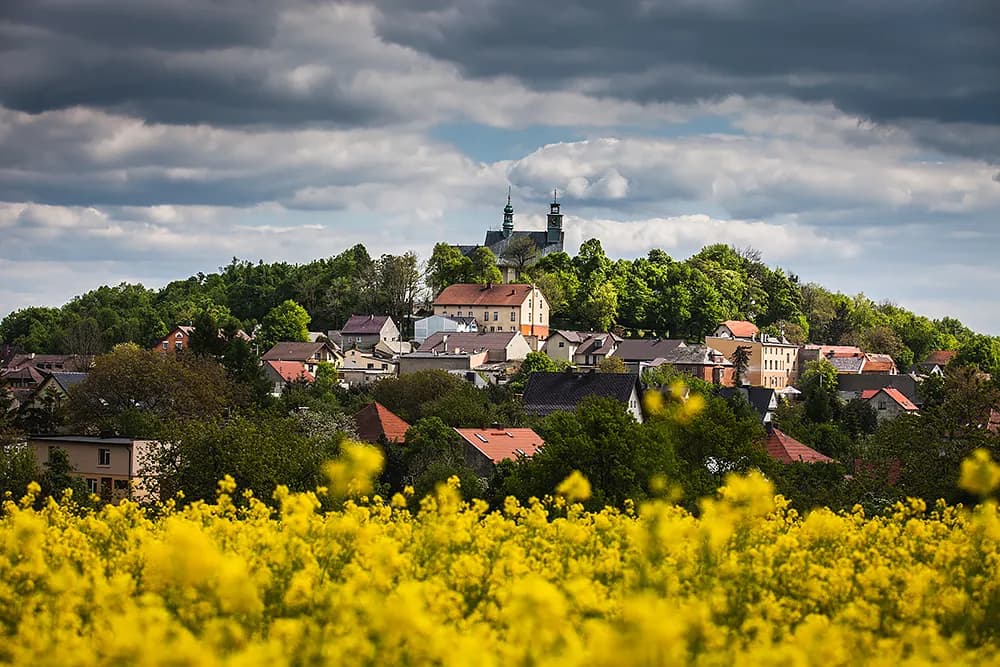
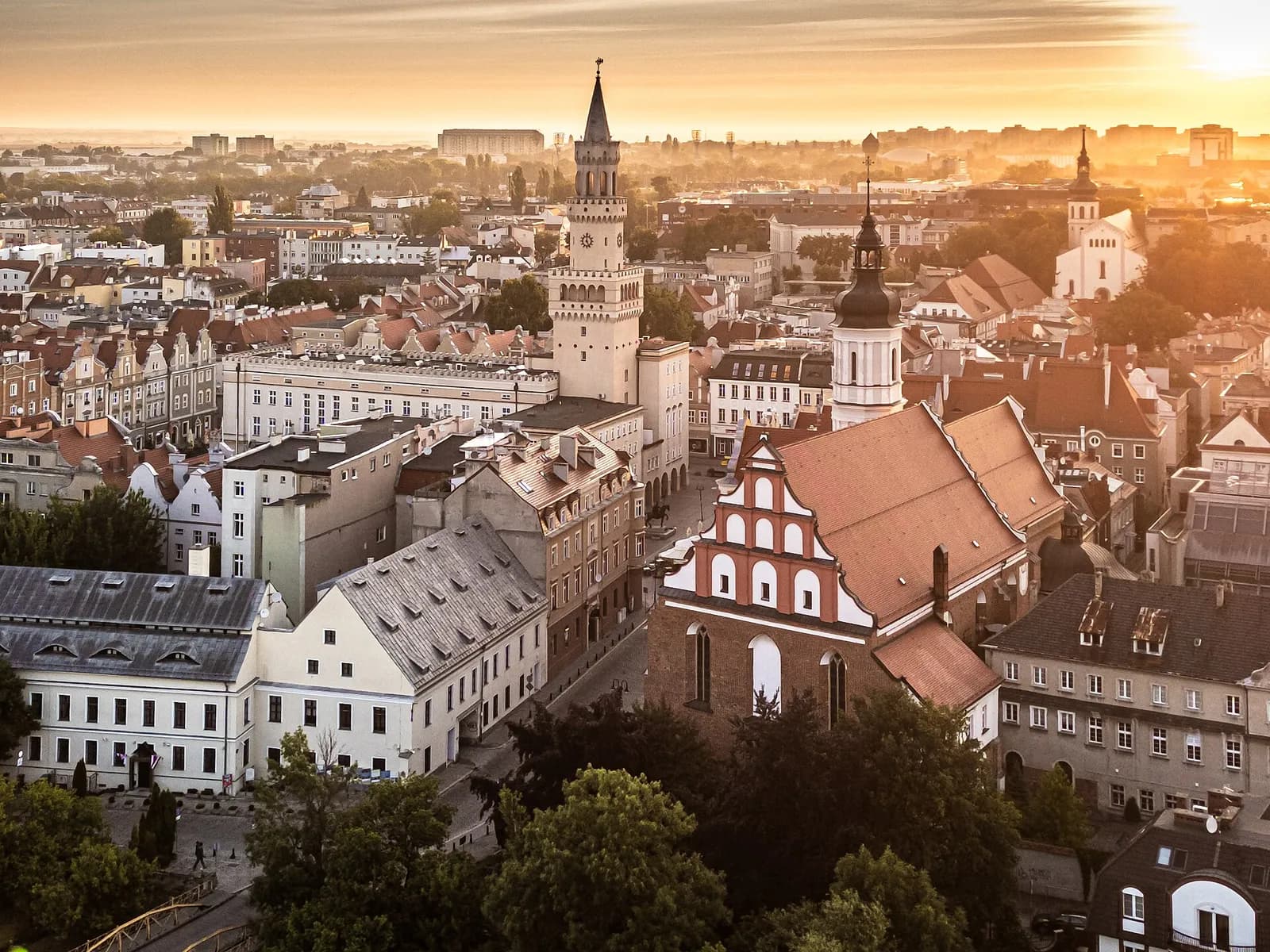
For Opole, it is also a reminder of how much of the region's heritage lies beyond the city itself. A relatively short journey south-west leads from the provincial capital into a landscape of historic residences, villages, cycling routes and cultural attractions, with Moszna providing one of its most recognisable destinations.
See more: Opole Philharmonic: From Regional Orchestra to International Stage
Source: VisitOpolskie.pl, mosznazamek.pl
Image credit: Jakub Hałun, Wikimedia Commons, CC BY-SA 4.0