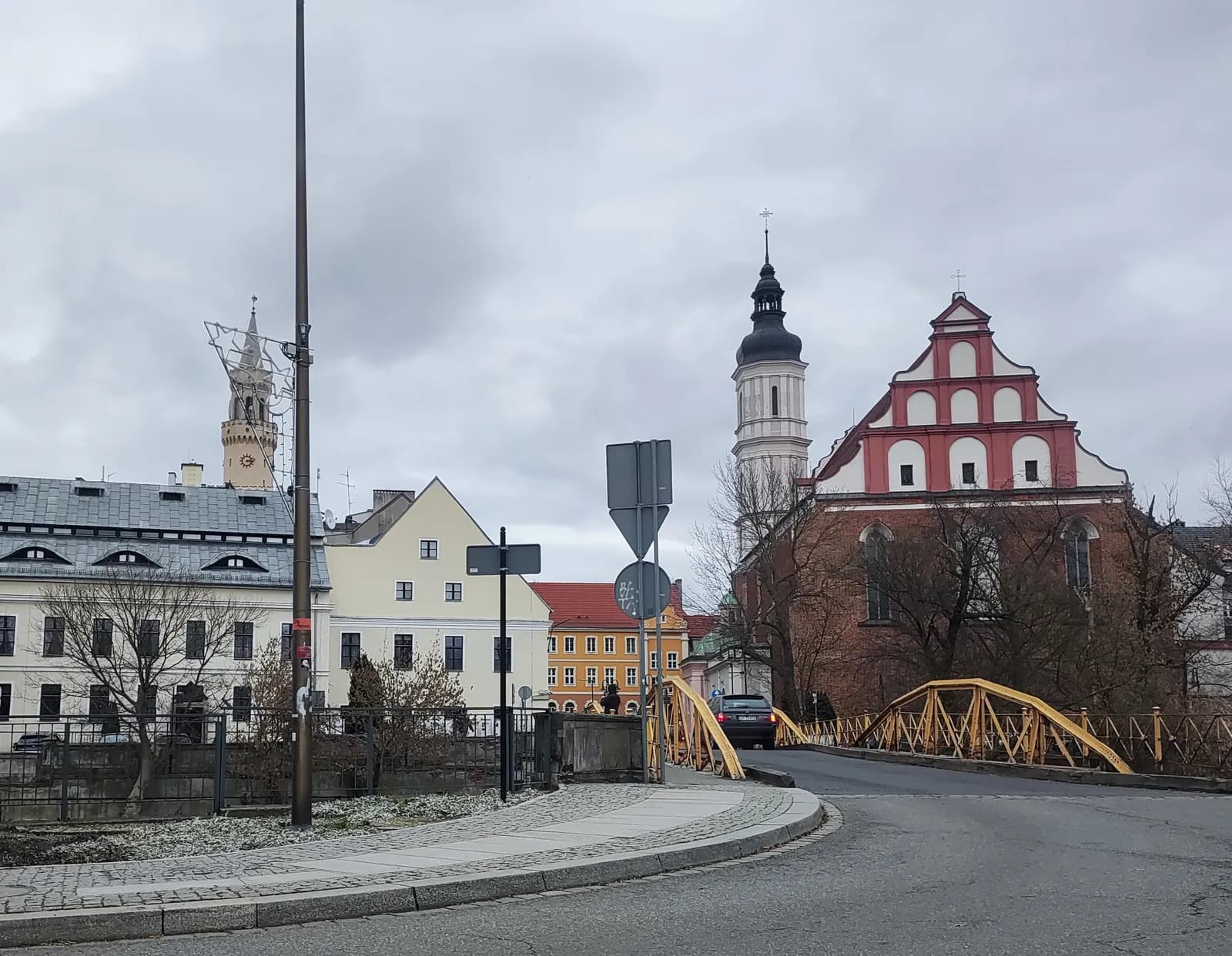
Walk through the heart of Opole and the city’s history feels close at hand. The skyline is marked by the enduring presence of the Piast Tower, the last piece of the old Piast Castle. This stands as a direct link to the city’s time as the capital of its own medieval duchy. Alongside it, the Cathedral of the Exaltation of the Holy Cross and Gothic churches such as Holy Trinity and St Adalbert remind visitors and locals alike of Opole’s longstanding spiritual role in the region. These landmarks are more than familiar sights. They anchor present-day Opole in centuries of religious continuity and civic tradition.
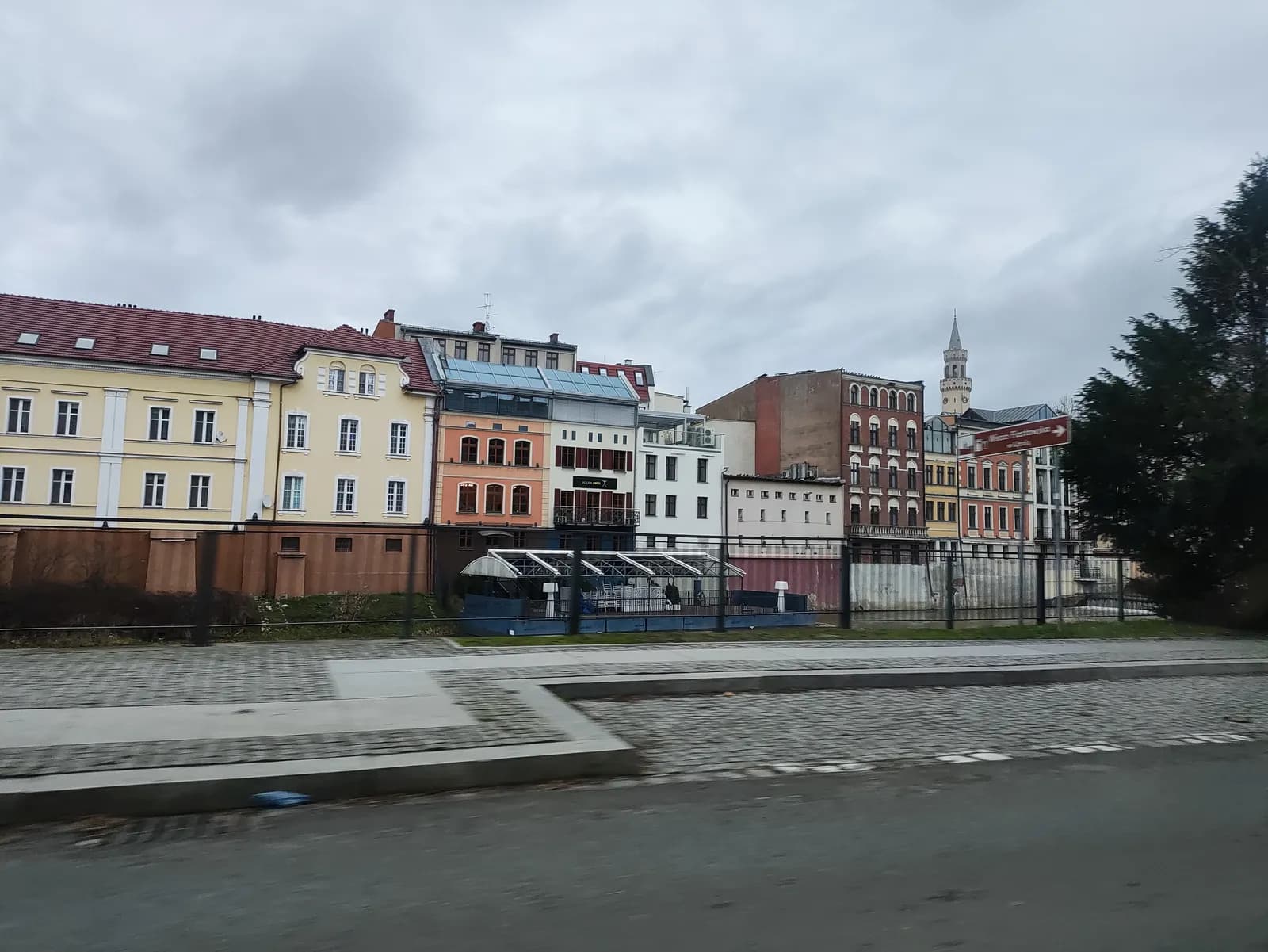
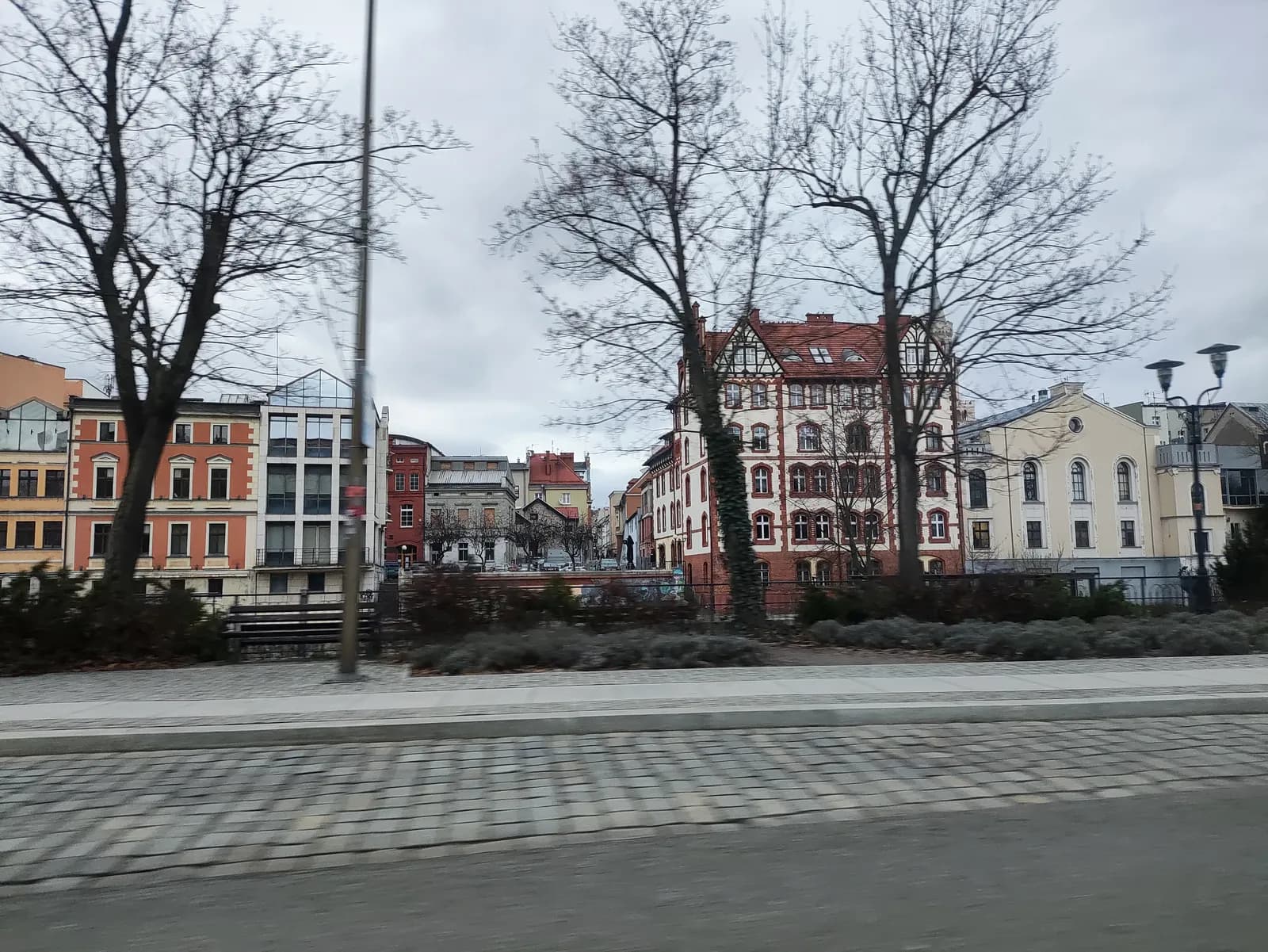
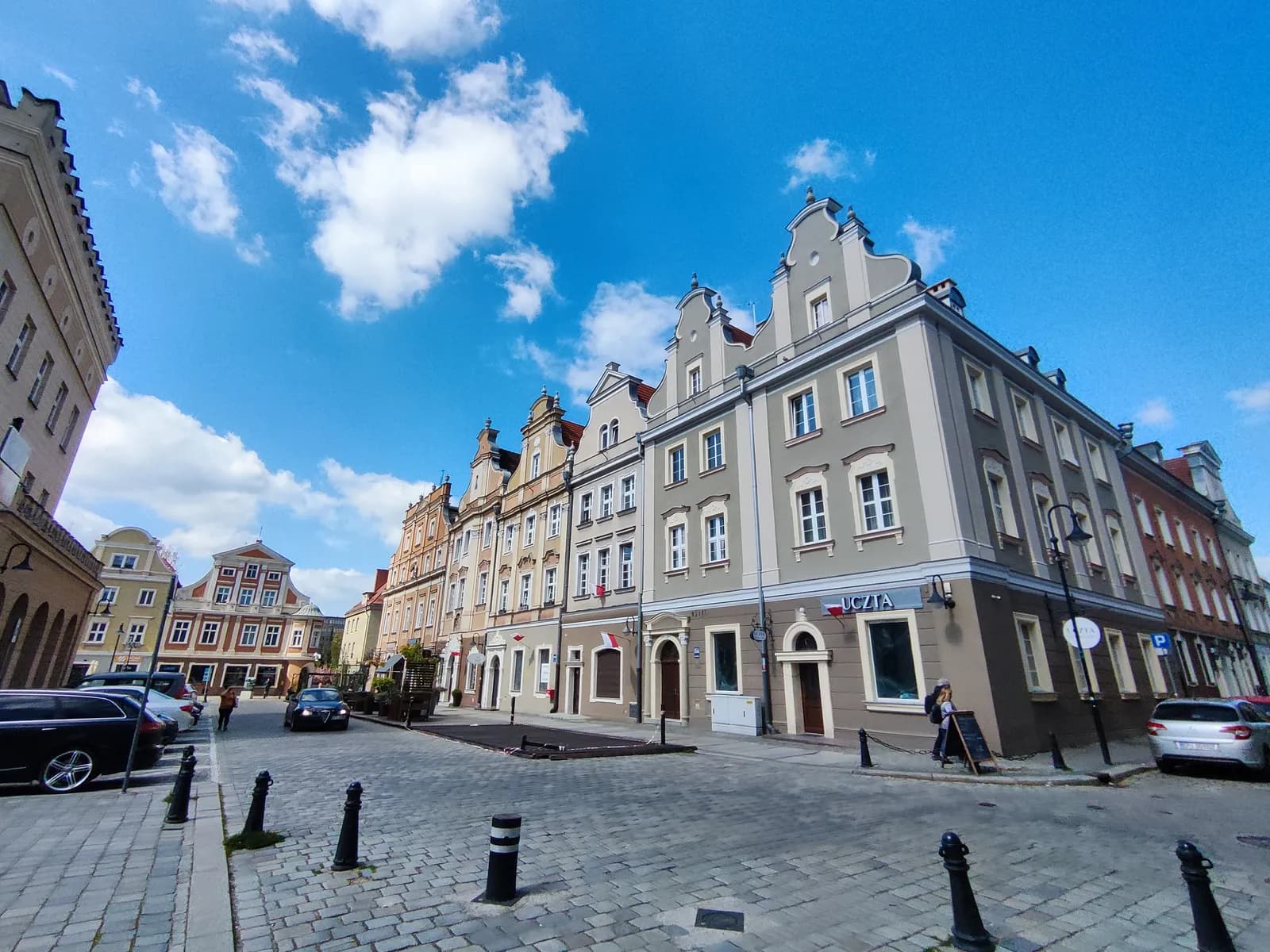
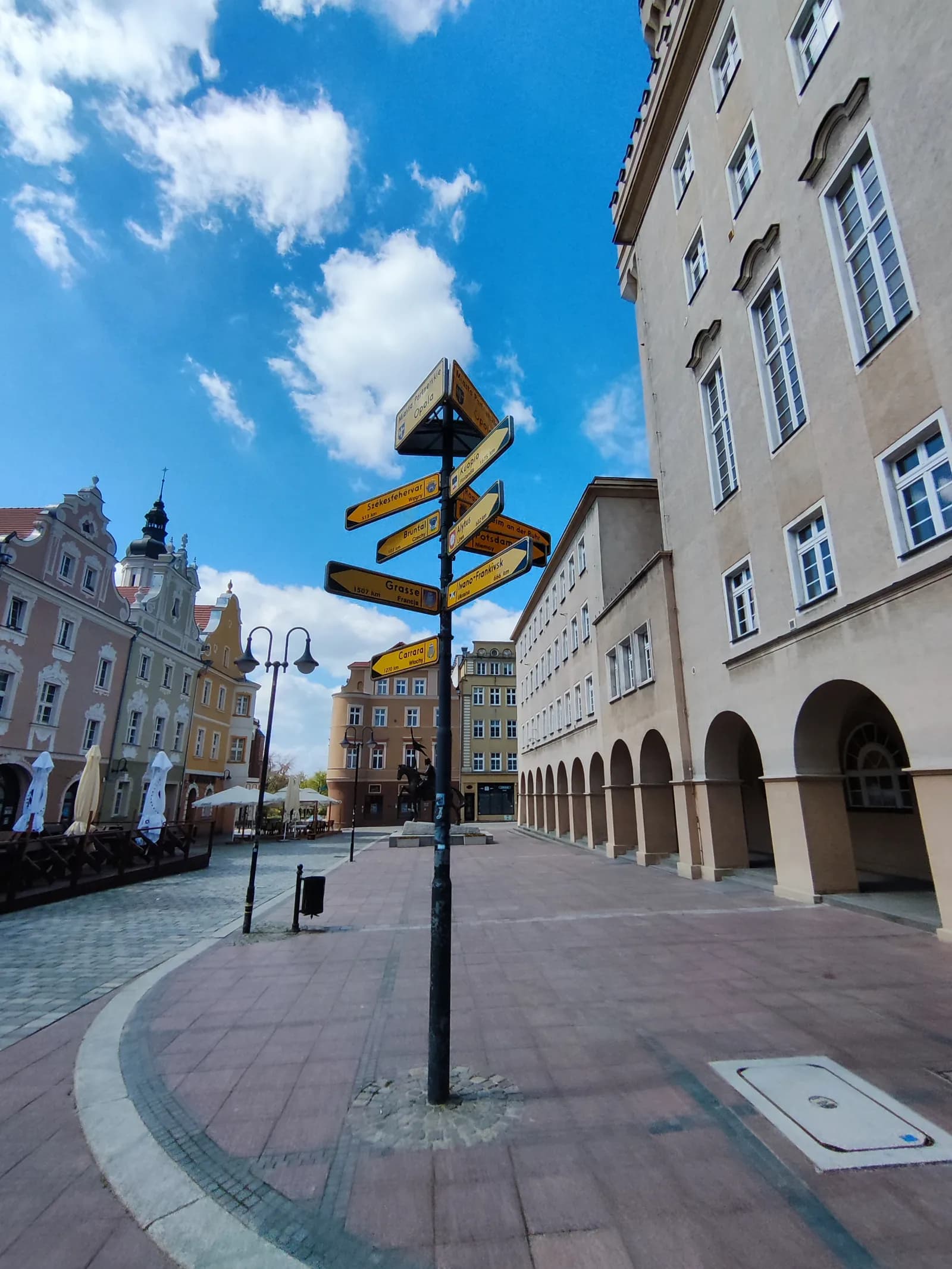
In the centre, the Market Square is surrounded by historic townhouses, with the 19th-century town hall and the picturesque Młynówka Canal area giving a sense of the city’s evolution. Each building reflects an era when Opole adapted to political change, new technologies or economic ambition. The Opole Główne railway station, dating from the early 20th century, stands out as a testament to transport modernisation. It connects the city with the wider region and beyond, helping to forge Opole’s contemporary identity.
Beyond the city’s core, the story continues in the scattered castles, churches and villages of Opolskie. Moszna Castle is a residence known for its fairy-tale silhouette, established in its present form at the end of the 19th century. It is perhaps the most recognisable symbol of the county’s more theatrical and aristocratic heritage. In Brzeg, the local castle with its Renaissance courtyards speaks to a different chapter, while the medieval defensive walls of Paczków illustrate how market towns protected themselves through turbulent times. Towns like Grodków and Nysa retain historic churches that highlight their former religious and trading importance in Silesian history.
Opolskie’s heritage is not only about castles and cathedrals. Everyday rural architecture tells an equally important story. At the Opole Village Museum in Bierkowice, original buildings from farms, villages and hamlets across the region are preserved and lovingly reconstructed. Houses, barns, a wooden church, mills and even a school from the 18th to early 20th centuries can be found here. These structures trace the lives of generations who built Opolskie’s countryside and offer a down-to-earth sense of how ordinary people shaped local identity over centuries.
The significance of these buildings goes far beyond tourism. They are physical markers of how Opolskie changed from a medieval duchy to a mixed urban and rural province. These sites reflect waves of Piast rule, religious tradition, Habsburg influence and a modern sense of place. For communities across the region, whether living in a city flat overlooking the canal or preserving a farmhouse by the village green, local architecture creates a shared backdrop to daily life and continuity across generations.